Table of contents
From “quiet luxury” wardrobes to cryotherapy sessions and biohacking routines, celebrity living has become a daily feed rather than an occasional headline, and it is changing how millions imagine the “normal” life. This is not only about fame or fascination, it is also about measurable shifts in consumption, beauty standards, travel choices, and even health behaviors that follow viral moments. When celebrities broadcast their habits at scale, the line between personal preference and cultural expectation can move fast.
When a red carpet becomes a rulebook
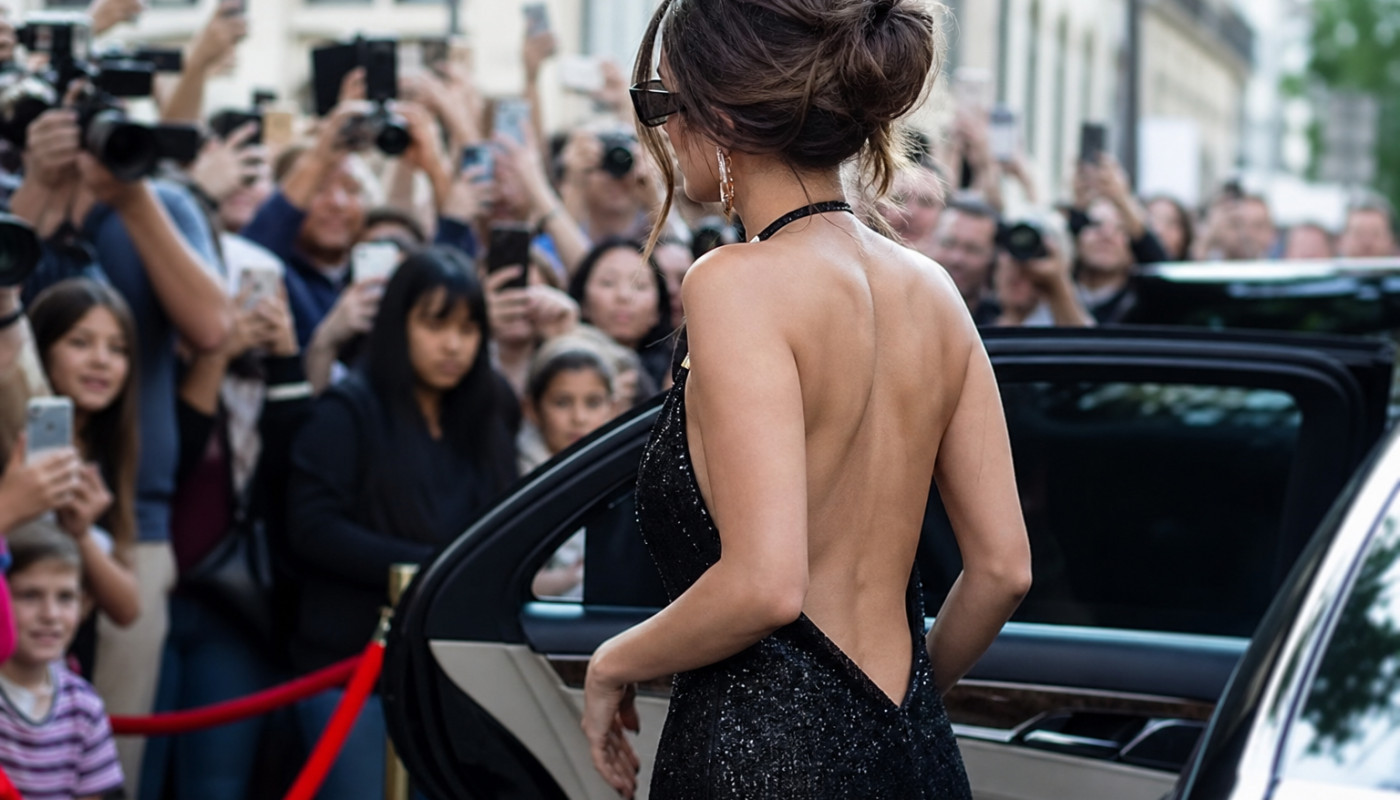
Could a single outfit really change what feels acceptable, desirable, or even “appropriate” in public? In practice, the modern red carpet is less a fashion event than a global marketing channel, amplified by social platforms where a look can be dissected, copied, and purchased within hours. Luxury brands understand this power in hard numbers: according to Launchmetrics’ widely cited “Media Impact Value” framework, top-tier events such as the Met Gala can generate hundreds of millions of dollars in earned media value in a single night, and a large share of that value is tied directly to celebrity placements, interviews, and high-velocity social reposting.
The cultural effect is not limited to couture. What begins as a celebrity styling choice often lands quickly in mass retail, because the supply chain for trend replication has accelerated. TikTok’s “micro-trend” cycles routinely compress into weeks, sometimes days, and celebrities remain key accelerants when their posts and paparazzi shots provide the original “proof of wear.” The result is a subtle rewriting of everyday norms: what counts as office-acceptable silhouettes, what “going out” makeup should look like, and even what body presentation is perceived as effortless. At the same time, the sustainability debate around fast fashion is increasingly shaped by these celebrity-led moments, since rapid demand spikes can push consumption in the opposite direction of climate goals, and it leaves audiences navigating a contradiction between aspirational styling and responsible shopping.
There is also a second-order effect that is easier to miss: celebrity lifestyle content is no longer confined to entertainment pages, because it blends with wellness, interior design, parenting, and personal finance. Once a celebrity “uniform” is framed as disciplined, clean, and minimalist, it can reframe frugality as a status signal, or conversely, make conspicuous consumption look like self-care. Norms shift when audiences stop reading these choices as costumes for public life and start treating them as templates for private identity, and the template spreads faster when it is packaged as a behind-the-scenes authenticity moment rather than a formal advertisement.
The algorithm rewards imitation, not nuance
Why do certain celebrity habits travel farther than others? Because platforms optimize for engagement, and engagement often rises with content that is simple to copy, visually legible, and emotionally loaded. The mechanics are well documented: the Pew Research Center has repeatedly shown that social media is a dominant way many adults, especially younger ones, encounter news and cultural information, and that creators and influencers, including celebrities, can act as de facto information gateways. In that environment, nuance is a disadvantage, while “do this one thing” routines thrive.
Consider how quickly wellness practices move from niche to mainstream when endorsed by famous faces: cold plunges, infrared saunas, intermittent fasting cycles, or supplement stacks framed as part of a “discipline” narrative. The U.S. Federal Trade Commission has issued multiple reminders over recent years about deceptive endorsements, and regulators have signaled growing scrutiny of health claims and influencer marketing disclosures. Yet the cultural norm-setting happens well before enforcement actions land, because the content travels as lifestyle inspiration, not as medical advice, and it is often presented with a cinematic gloss that makes the behavior feel harmless and widely applicable.
This dynamic affects norms around mental health, too, sometimes for the better. High-profile disclosures about anxiety, depression, burnout, or sobriety can reduce stigma, and public health experts have long observed “awareness spikes” tied to celebrity testimony. But the same system can flatten complex experiences into aestheticized coping habits, where therapy becomes a vibe, or recovery is packaged as a product list. When the algorithm prizes repetition, audiences are trained to imitate outward signs of “healing” or “success,” even when the inward work is messy, slow, and unfilmable.
For readers trying to understand where these cultural currents are heading, more reporting, context, and media literacy are essential, and resources that track digital culture across entertainment and news can help map how influence travels; for more, see here now.
Beauty, bodies, and the new baseline
Is the “natural look” really natural anymore? The past decade has shown how celebrity-led aesthetics can reset the baseline, not only for makeup and skincare, but for what society quietly expects a face or body to look like in everyday life. The American Society of Plastic Surgeons reports millions of cosmetic procedures each year in the United States, and while demand is influenced by many factors, the “Zoom era” and social media filters have been widely discussed as accelerants, with surgeons and researchers describing an uptick in patients referencing curated images and perceived imperfections.
Celebrities sit at the intersection of these pressures, because their images are professionally lit, edited, and circulated, then reinterpreted as attainable reality. When famous figures publicly embrace certain procedures, deny others, or promote rapid transformations as diet-and-exercise miracles, they shape what audiences think is normal effort. A shift can happen without a single explicit claim, because the before-and-after narrative is embedded in the visual record, and fans learn to evaluate themselves against that moving target. This is where norms become coercive: a “trend” starts to look like a prerequisite for confidence, employability, dating, or social belonging.
At the same time, celebrity culture is not monolithic, and counter-narratives can also travel. The rise of body neutrality, more diverse casting, and open talk about retouching has pushed back on unrealistic standards. Some high-profile names have shown the business behind the image, including stylists, trainers, chefs, and glam teams, reframing the lifestyle as a production rather than a personal moral achievement. But even that transparency can be double-edged, because it can normalize the idea that everyone should optimize, just at different budget levels.
What is changing now is the blending of beauty and health norms. Skincare is marketed as wellness, supplements as self-love, and cosmetic interventions as empowerment, which makes critique harder and consent murkier. A cultural baseline shifts when “maintenance” becomes expected, and when the language of choice masks a system that rewards conformity. The pressure is subtle, but it shows up in everyday conversations about “glow-ups,” “reset weeks,” and “looking fresh,” as if human bodies were software that simply needs the right update.
Money, carbon, and status: the hidden costs
What does it cost, literally, to keep up? The most obvious answer is financial, because celebrity lifestyles showcase high-cost signals, from private aviation to luxury wellness retreats, and the audience is nudged toward smaller, purchasable versions of the same story. Even when followers cannot replicate the full lifestyle, they can buy a scent, a bag, a “dupe,” a gym membership, or a week of meal kits, and each purchase is framed as a step toward the aspirational identity.
The bigger cost can be environmental, and here the data is striking. In 2023, a widely referenced study by the International Council on Clean Transportation (ICCT) estimated that private jets emit far more CO2 per passenger than commercial flights, highlighting the outsized footprint of this mode of travel. Celebrity jet tracking has turned this into a reputational issue, but it is also a norm-setting issue: when private flying is presented as routine, time-saving, or “necessary,” it shifts what elite convenience looks like, and it can soften public resistance to high-carbon habits among the affluent.
Status is the third cost, and it may be the most consequential. Celebrity living often rewires status from community contribution to personal optimization, where success is visible in morning routines, curated kitchens, and travel itineraries. That encourages a culture of performative productivity, in which rest must be “earned,” and leisure must be documented to count. The norm becomes not simply to live well, but to display living well, and to interpret any deviation as personal failure rather than structural reality.
Yet audiences are not passive, and fatigue is also building. The rise of “de-influencing” and the skepticism toward tone-deaf displays during economic stress show a public recalibrating what it wants to reward. In periods of inflation and housing anxiety, conspicuous luxury can backfire, and celebrities increasingly try to reposition their consumption as investment, craft, or heritage. That rhetorical shift is itself a sign of changing norms: the audience still watches, but it demands a justification, and the justification becomes part of the template that everyday people then repeat in their own smaller purchases.
How to plan smarter, not imitate harder
If celebrity lifestyles are setting tomorrow’s norms, the practical question is what to do with that knowledge. Set a personal budget for “influence spending,” and treat trend purchases like entertainment, not identity, because the fastest way to regain control is to decide in advance what you will not chase. For travel and wellness splurges, compare off-peak prices, book early when possible, and look for transparent packages that specify what is included, from transfers to cancellation terms.
Public support can also matter. Depending on your country, you may be eligible for subsidies related to energy-efficient home upgrades, public transport passes, or preventive health programs, and those levers often deliver more long-term benefit than a viral “reset.” The most sustainable norm to adopt is not a celebrity routine, it is a plan: prioritize what improves your life measurably, and let the rest remain what it truly is, a spectacle designed to be watched.
Similar articles

What We Miss When We Ignore The Smallest Cogs In Industrial Equipment

Exploring The Future Of Omnichannel Strategies In Customer Service

The Evolution of Chatbots: From Scripted Replies to AI Conversations

Exploring the Advancements in Digital Engagement with AI Technology

Diving Deep into the World of AI and Machine Learning

Wearable Health Tech: The Revolution of Personalized Healthcare Devices

E-Waste Crisis: Addressing the Environmental Impact of Disposed Electronics

AI Creativity: The Intersection of Art and Artificial Intelligence

The Power of Quantum Encryption: Securing Data in a Post-Quantum World
